


Laboratory
Home > Laboratory
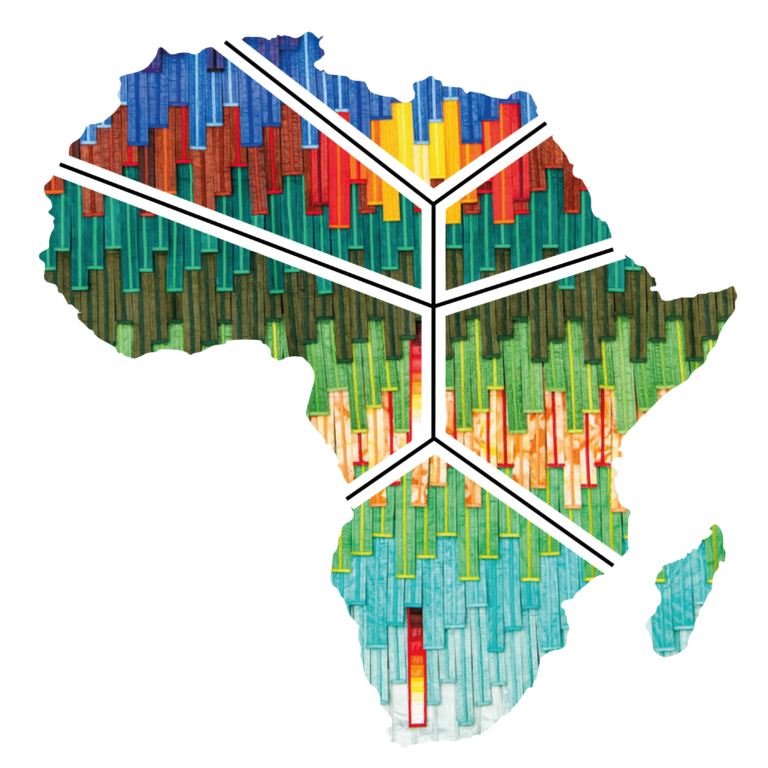
LASPAD, a pan-African laboratory
Created in 2014, the LASPAD (Laboratoire d’Analyse des Sociétés et Pouvoirs / Afrique – Diasporas) is one of the most dynamic laboratories at Gaston Berger University in Saint-Louis, Senegal (UGB).
Our axiom – knowledge is the ultimate collective good – enables us to drive innovative research in line with citizen science, sustainability science and open science.
For us, research must be involved, ethical and focused on one absolute priority: building decent, friendly societies. This means tackling head-on the extremely serious challenges facing African societies: challenges linked to the decolonization of African political institutions, to the Continent’s demographic structure, to human security issues, and to economic, digital and ecological transition.
From this point of viewLASPAD believes that to think about the world of today and tomorrow, it is fruitful to bring the human and social sciences into dialogue with the digital and experimental sciences, in line with the perspectives opened up by the STEAM (Science, Technology, Engineering, Arts and Mathematics) approach, for example.
Who we are
A community that shares a common cause: to make our universities not just places where knowledge is produced, transmitted and discussed, but the open place where we define our vision of society, by ourselves and for ourselves, the place where we emulate and liberate our collective genius, the place where we “reclaim our being-in-the-world” (Ambroise Kom).
We are teachers, senior and junior researchers, and practitioners from different disciplines and sectors, convinced that collective and collaborative research is the only way to produce knowledge that serves human societies and the public interest.
Our openness to other disciplines, to society and to the world of decision-making are at the heart of the LASPAD PROJECT.
We are guided by the following principles: autonomy in defining our scientific orientations; mentoring between senior and junior researchers; partnerships with national and international laboratories through joint projects; transparency and evaluation; service to the community.
OUR MISSIONS
Research and publication
We co-produce and publish emancipating and protective knowledge for Africa, the diaspora and the world.
Training
We train informed democrats and pan-Africans, social innovators and professionals dedicated to delivering quality public services.
Expertise
We support decision-makers in developing, implementing and evaluating efficient, coherent public policies that are economically, geographically and socially equitable.
Scientific mediation
We promote the circulation of robust scientific knowledge that offers relevant solutions to complex problems to decision-makers, civil society, business and the media.
OUR VALUES
Transmission
Transmission, an indispensable element in our work, refers to the process by which experienced researchers share their knowledge, skills and experience with early-career researchers. This includes mentoring, training and academic support to develop the capacities of young researchers and ensure continuity and innovation in the humanities and social sciences.
Respect for human rights
The research conducted respects and protects the fundamental rights of all those involved. This includes the dignity, confidentiality, fairness and consent of research participants. Our researchers pay close attention to the potential impact of their work on communities. Whenever necessary, the advice of the French National Scientific Research Ethics Committee is sought.
Feminist approach
Feminism at LASPAD means adopting a critical perspective on gender inequalities and promoting gender equality. This includes the integration of gender analysis into studies, the promotion of women in academia, and a commitment to combating sexist discrimination and bias.
Social and environmental commitment
Our activism translates into active and often public engagement with social, political and environmental causes. We use research findings to inform and influence public policy, raise awareness of important issues, and collaborate with organizations and communities to promote social change and improved living conditions.
Transparency
We work to make our research processes, methods, and results accessible and understandable. It is also important for us to disclose who funds the research we conduct and how the funding received is spent. This involves open and honest communication with stakeholders, including research participants, collaborators, and the public. Transparency ensures accountability and credibility.